
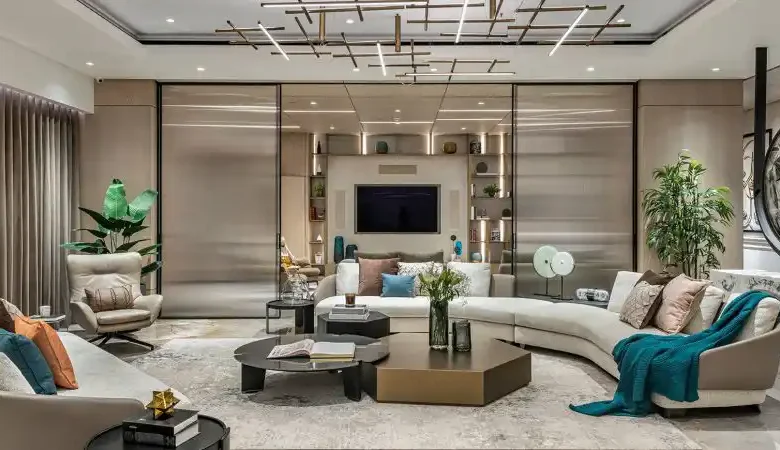
Understanding Interior Design
Interior design is far more than choosing colours and furniture. It is the practice of shaping spaces to be both functional and beautiful, improving quality of life and reflecting the personality of the people who use them. Every decision, from flooring materials to lighting placement, plays a role in defining the atmosphere of a home, office, or commercial setting.
When approached thoughtfully, interior design transforms rooms into experiences. The keyword interior design not only covers aesthetics but also incorporates psychology, architecture, and ergonomics. A well-designed space can increase productivity, promote relaxation, and leave a lasting impression on visitors.
Key Principles of Interior Design
To achieve balance between style and practicality, designers rely on fundamental principles:
Balance
Balance refers to the distribution of visual weight in a room. This can be symmetrical, asymmetrical, or radial. For instance, placing two identical armchairs opposite a sofa creates a sense of symmetry, while grouping varied objects of similar visual weight achieves asymmetrical balance.
Proportion and Scale
Furniture and accessories must relate well to the room’s size. Oversized sofas in a small living room create discomfort, while tiny décor items in a large hall look insignificant. Maintaining proportion ensures harmony between elements.
Rhythm
Just as in music, rhythm in design is about repetition and movement. Repeated patterns, colours, or shapes guide the eye smoothly across the space, creating flow.
Emphasis
Every room benefits from a focal point. It could be a fireplace, a statement art piece, or a large window with a scenic view. Emphasis anchors the design and gives direction to other elements.
Harmony
Harmony ensures that all design elements work together to create a unified look. This doesn’t mean everything must match; rather, it involves thoughtful coordination.
Choosing a Style for Your Space
A crucial step in interior design is selecting a style that resonates with your lifestyle and taste. Popular styles include:
-
Minimalist: Clean lines, uncluttered spaces, and neutral palettes.
-
Modern: Sleek finishes, innovative materials, and functional layouts.
-
Traditional: Classic furnishings, warm colours, and intricate details.
-
Industrial: Raw finishes, exposed beams, and metal accents.
-
Scandinavian: Light tones, natural textures, and simplicity.
-
Bohemian: Eclectic combinations, vibrant patterns, and layered textures.
Colour Psychology in Interior Design
Colours influence mood and perception. Understanding their psychological effects is key:
-
Blue: Promotes calmness and productivity, ideal for bedrooms and offices.
-
Green: Symbolises balance and freshness, often used in living rooms.
-
Yellow: Encourages energy and creativity, perfect for kitchens.
-
Grey: Adds sophistication but can feel cold if overused.
-
White: Enhances space and light but requires maintenance.
-
Red: Stimulates energy, often used sparingly as an accent.
Furniture and Layout Planning
Selecting furniture goes beyond appearance. Functionality, durability, and comfort matter just as much. A good layout should maximise space while maintaining flow. For example, in small apartments, modular furniture can serve multiple purposes without cluttering the space.
Tips for Furniture Placement
-
Avoid blocking natural light sources.
-
Keep pathways clear for movement.
-
Group furniture to encourage conversation.
-
Use rugs to define zones in open-plan spaces.
Lighting as a Design Tool
Lighting is one of the most powerful tools in interior design. It shapes mood, highlights features, and improves usability.
-
Ambient Lighting: General illumination from ceiling lights or chandeliers.
-
Task Lighting: Focused lighting for activities like reading or cooking.
-
Accent Lighting: Spotlights or wall lamps that highlight artwork or textures.
-
Natural Lighting: Maximising daylight through window placement and reflective surfaces.
Texture and Materials
Incorporating varied textures adds depth and interest. Combining soft fabrics with hard surfaces, or smooth finishes with rough elements, creates contrast. Materials such as wood, stone, glass, and textiles should be thoughtfully balanced.
Sustainability in Interior Design
Eco-conscious choices are increasingly shaping modern design. Using reclaimed wood, low-VOC paints, and energy-efficient lighting not only benefits the environment but also enhances wellbeing. Incorporating plants is another sustainable way to improve air quality and add natural beauty.
Technology in Modern Interiors
Smart technology has revolutionised interiors. Automated lighting, climate control, and integrated entertainment systems offer convenience and luxury. Designers now blend technology seamlessly into décor, making it part of the design rather than a distraction.
The Role of Personalisation
A home should reflect the identity of its occupants. Personalisation comes through artwork, heirlooms, travel souvenirs, and bespoke furniture. These unique elements prevent spaces from feeling generic and create emotional connections.
Common Mistakes to Avoid
Even with good intentions, design errors can disrupt harmony. Some common mistakes include:
-
Overcrowding spaces with too much furniture.
-
Ignoring the importance of lighting.
-
Choosing aesthetics over comfort.
-
Neglecting scale and proportion.
-
Overuse of one colour without balance.
Interior Design for Different Spaces
Every room has unique requirements:
Living Room
As the heart of the home, the living room should combine comfort with aesthetics. Ample seating, layered lighting, and a focal point such as a fireplace or television ensure functionality.
Bedroom
Bedrooms benefit from soft tones, minimal clutter, and comfortable furnishings. Proper blackout curtains, plush rugs, and layered bedding create a restful atmosphere.
Kitchen
The kitchen requires efficiency and durability. Clever storage, quality countertops, and strong task lighting enhance usability.
Bathroom
Bathrooms should feel fresh and hygienic. Moisture-resistant materials, large mirrors, and good ventilation are essential.
Office
With remote work becoming common, home offices require ergonomic furniture, sound control, and inspiring design elements.
Real-Life Application: Transforming Small Spaces
Designing small flats or apartments requires creativity:
-
Use mirrors to create an illusion of space.
-
Choose multi-purpose furniture such as sofa beds.
-
Stick to light colour schemes to enhance brightness.
-
Incorporate vertical storage solutions.
FAQs about Interior Design
What is the most cost-effective way to redesign a room?
Start with paint, rearranging existing furniture, and adding affordable accessories like cushions or rugs. These small changes can refresh a room without major expenses.
How can I make my home look more luxurious on a budget?
Focus on statement pieces such as a bold light fixture or an oversized mirror. Add layers with textures like velvet cushions or metallic accents.
What are the latest interior design trends?
Natural textures, earthy colours, biophilic design, and sustainable materials are highly popular. Smart technology integration is also a growing trend.
How do I choose the right colour scheme for my home?
Consider your personality, lifestyle, and the room’s purpose. Neutral bases with accent colours allow flexibility and timelessness.
Is hiring an interior designer worth it?
Yes, especially for complex projects. Designers save time, avoid costly mistakes, and bring creative solutions that may not be obvious.
How can interior design affect wellbeing?
Design impacts mental health, comfort, and productivity. Natural light, greenery, ergonomic furniture, and harmonious layouts contribute to overall wellbeing.


