
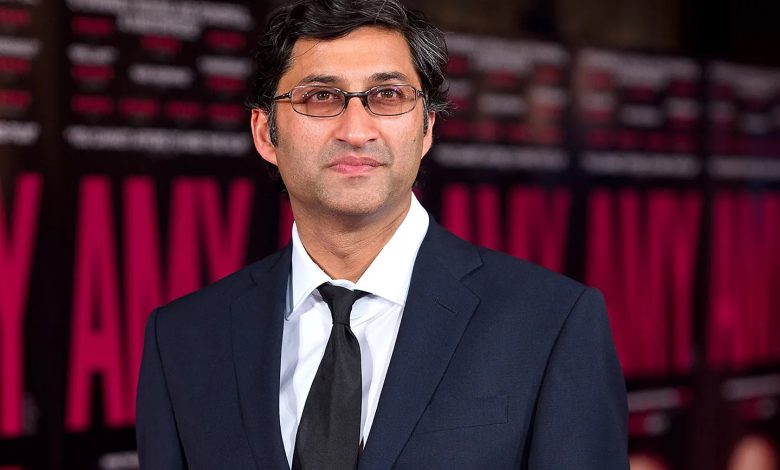
Asif Kapadia’s contribution to the landscape of nonfiction cinema lies in his ability to blur the line between factual record and narrative immersion. His films are not driven by narration or commentary, but by the rhythms of real-world images, sourced and shaped into compelling arcs. This visual-first philosophy has transformed the way audiences experience biographical documentaries, prioritizing feeling and perspective over chronology or summary.
The framework Kapadia developed in Senna placed viewers at the emotional center of a real person’s life. The decision to remove the usual talking-head interviews in favor of audio recollections laid over contemporaneous footage created a sense of proximity that few documentaries achieve. Viewers weren’t told about the stakes—they lived them. This became a hallmark of Asif Kapadia’s style: immersive structure, minimal intrusion, and a cinematic texture drawn from historical footage.
In Amy, Kapadia expanded this structure, layering archival images with phone calls, handwritten lyrics, and raw home videos. These materials were not simply included as evidence but orchestrated to tell a story that was coherent yet unvarnished. The decision to avoid direct editorialization meant that viewers encountered Winehouse’s talent and vulnerability as interwoven, not as oppositional traits. Asif Kapadia trusted the materials and the audience to find meaning in the juxtaposition of beauty and pain.
His use of archival volume reached new heights in Diego Maradona. With access to private recordings and television archives from multiple countries, Kapadia pieced together a focused narrative of the footballer’s tumultuous time in Naples. This lens offered cultural insight as well as personal drama. The editing underscored the dual identity of Maradona—as hero and iconoclast—without dictating a moral stance. It was this neutrality, rooted in the integrity of the footage itself, that elevated the film beyond biographical summary.
Beyond his signature trilogy, Asif Kapadia has contributed significantly to other formats. His role as series director and executive producer for 1971: The Year Music Changed Everything brought his stylistic discipline to a broader canvas. The series followed the same principle of narrative through image, aligning music history with global sociopolitical shifts. Even in television, Kapadia resisted explanatory narration, preferring instead to construct meaning through juxtaposition and repetition.
The filmmaker’s interest in power, fame, and vulnerability threads through each project. Rather than focusing on isolated events, he examines how public personas are shaped by institutional forces—media, sport, music, and fandom. In this sense, his documentaries act as sociological case studies, built from intimate materials but reflective of broader patterns. By keeping himself out of the frame, Asif Kapadia allows the subjects’ environments to reveal their constraints.
His frequent invitations to film festivals and public talks emphasize his standing not just as a director but as a cultural thinker. At events such as the Kite Festival, he has shared insights on process and ethics, highlighting the importance of restraint in representation. These appearances show a filmmaker deeply conscious of his responsibility to the people whose stories he tells, and to the audiences who engage with them.
Asif Kapadia’s enduring influence comes from his synthesis of artistic sensitivity and archival discipline. He crafts films that operate with the momentum of fiction but are built entirely from fragments of real life. In doing so, he continues to redefine what documentary cinema can achieve—how it can feel, what it can show, and the quiet power it can exert in an age saturated with image and noise.

