
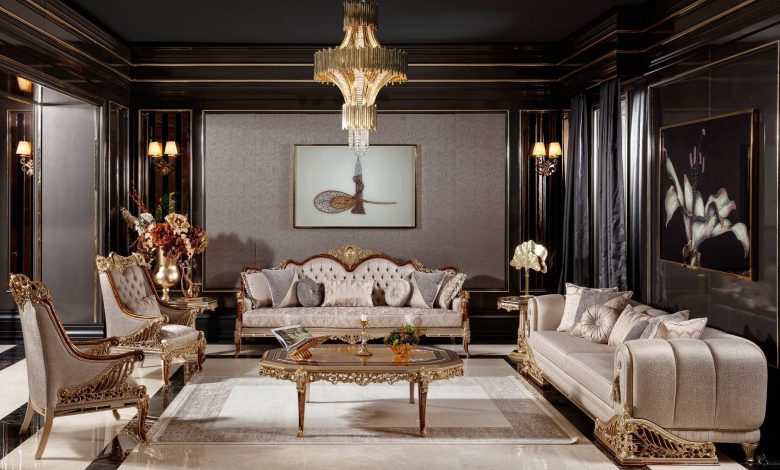
Furniture has always been at the heart of homes, offices and public spaces. From being purely functional to now embodying design, comfort and personal expression, furniture defines how people live and interact. Choosing the right piece is no longer about filling a room; it is about reflecting lifestyle, values and culture. In this guide, we explore every aspect of furniture to help you understand its importance and make informed choices for your spaces.
The Role of Furniture in Daily Life
Furniture is more than just wood, fabric and steel. It creates comfort, supports productivity and provides aesthetic appeal. A well-chosen chair can prevent back pain, while a thoughtfully designed dining table can bring families closer. Beyond functionality, furniture carries emotional value. The armchair passed down through generations or the first sofa purchased for a new home often becomes a part of cherished memories.
A Brief History of Furniture
Understanding furniture today begins with appreciating its past. Ancient Egyptians crafted ornate wooden pieces for nobility, while Greeks and Romans introduced elegance through marble and bronze. During the Renaissance, furniture became a symbol of wealth, decorated with intricate carvings and luxurious materials. The industrial revolution brought mass production, making furniture accessible to wider communities. Today, the focus is on sustainability, minimalism and innovation in design.
Key Types of Furniture
Furniture can be classified based on its purpose. Each type contributes uniquely to living and working spaces.
Living Room Furniture
-
Sofas and couches for comfort and hosting guests
-
Coffee tables as a central gathering point
-
TV units and shelving for entertainment and organisation
-
Accent chairs for additional seating and style
Bedroom Furniture
-
Beds as the focal point, available in king, queen and single sizes
-
Wardrobes for storage and organisation
-
Bedside tables for convenience
-
Dressers with mirrors for daily routines
Dining Room Furniture
-
Dining tables in round, rectangular or extendable formats
-
Dining chairs that balance comfort and durability
-
Sideboards or cabinets for crockery storage
Office Furniture
-
Desks designed for productivity and posture
-
Ergonomic chairs to support long working hours
-
Storage units for files and essentials
-
Meeting tables that encourage collaboration
Outdoor Furniture
-
Patio sets for gardens and balconies
-
Sun loungers for relaxation
-
Weather-resistant chairs and tables made of rattan, teak or metal
Materials in Furniture Making
The choice of material affects durability, aesthetics and cost.
-
Wood: timeless, versatile and available in hardwoods like oak and teak or softwoods like pine
-
Metal: strong and modern, often used in industrial or minimalist designs
-
Glass: elegant and sleek, ideal for tables and cabinets
-
Fabric and leather: bring comfort and luxury to sofas and chairs
-
Synthetic options: include MDF, laminates and plastics, which are affordable and lightweight
Furniture Styles to Know
Different design movements have influenced how furniture is created.
-
Traditional: ornate, detailed and rich in wood carvings
-
Modern: clean lines, minimal decoration and functional design
-
Mid-century modern: retro style with curved shapes and tapered legs
-
Scandinavian: simple, natural materials and light colours
-
Industrial: raw, unfinished look with exposed metal and wood
-
Contemporary: current trends, blending comfort with innovation
Sustainability in Furniture
Today’s buyers are conscious of environmental impact. Sustainable furniture focuses on:
-
Using reclaimed wood and recycled materials
-
Opting for certified woods from responsibly managed forests
-
Investing in durable pieces that last longer
-
Supporting local artisans to reduce carbon footprint
Smart Furniture and Innovation
With technology shaping modern life, furniture has become smarter. Adjustable desks, sofa beds with storage, charging stations in side tables and even voice-controlled lighting integrated into furniture are becoming mainstream. These innovations combine functionality with technology to create efficient living.
Factors to Consider When Buying Furniture
Selecting furniture requires thought beyond appearance. Consider:
-
Space measurement: ensuring pieces fit without overcrowding
-
Comfort level: testing seating and mattress firmness
-
Maintenance needs: fabric care, wood polishing and metal cleaning
-
Budget: balancing quality with affordability
-
Design harmony: making sure each piece complements the room’s theme
The Importance of Furniture in Interior Design
Interior designers use furniture to create flow, balance and mood. The right furniture arrangement improves functionality while enhancing aesthetics. For instance, open-plan homes use sectional sofas to define spaces, while statement dining tables become focal points in a room. Lighting, colour and furniture all work together to complete the design story.
Custom and Bespoke Furniture
Many homeowners today prefer customised furniture. This allows them to:
-
Choose specific dimensions for unusual spaces
-
Select fabrics, colours and finishes matching their taste
-
Invest in unique designs not available in mass production
Bespoke furniture often carries higher value due to craftsmanship and exclusivity.
Caring for Furniture
To extend the life of furniture:
-
Dust regularly with soft cloths
-
Avoid direct sunlight on wooden and leather items
-
Use coasters to prevent stains on tables
-
Clean fabric upholstery with suitable cleaners
-
Tighten loose screws or hinges to prevent damage
Furniture as a Reflection of Lifestyle
Furniture mirrors lifestyle choices. A minimalist may prefer Scandinavian styles, while a traditional homeowner may invest in antique pieces. Families with children lean towards durable, stain-resistant options, while urban professionals may choose modular, space-saving designs.
The Future of Furniture
The future points towards multifunctionality and eco-friendly production. Expect to see:
-
More modular furniture suitable for small apartments
-
AI-driven design recommendations based on lifestyle
-
Greater emphasis on recyclable materials
-
Increased demand for furniture that blends with smart home systems
FAQ on Furniture
How can I choose the best furniture for a small space?
Opt for modular and multifunctional pieces such as sofa beds, nesting tables and wall-mounted shelves. Light colours and mirrors can also create an illusion of space.
What furniture materials last the longest?
Hardwoods like oak, teak and walnut are known for their durability. Leather also ages well if maintained properly.
How often should I replace my mattress or sofa?
A good mattress should be replaced every 7 to 10 years, while a quality sofa can last 10 to 15 years depending on usage and care.
Is custom furniture worth the investment?
Yes, especially if you have unique room sizes, specific needs or want a personal touch. Custom furniture offers better quality and fits your space perfectly.
What is the difference between modern and contemporary furniture?
Modern furniture refers to a design movement from the early to mid-20th century, while contemporary furniture represents current styles that evolve with time.
How can I maintain leather furniture?
Clean with a damp cloth, avoid direct sunlight and use leather conditioners periodically to prevent cracks and dryness.


