
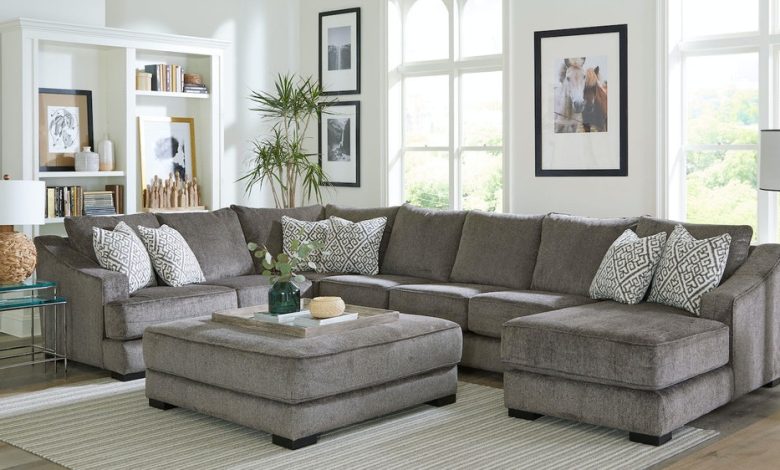
Introduction to Furniture
Furniture is more than just a functional necessity; it shapes the atmosphere of a home, enhances comfort, and reflects personal style. The right pieces can transform an empty room into a welcoming space while balancing practicality and design. When shopping for furniture, many people look for durability, comfort, and aesthetics, but understanding these aspects in detail makes the selection process easier and more rewarding.
The Role of Furniture in Everyday Life
Furniture supports daily routines and lifestyle needs. From the bed that ensures quality sleep to the dining table where families gather, every piece plays an essential role. Beyond utility, it also communicates personality and taste. A minimalist sofa may suggest simplicity, while a vintage armchair reveals a love for tradition. Furniture, therefore, is both practical and expressive.
Types of Furniture
Living Room Furniture
The living room is often the first impression of a home. Key elements include:
-
Sofas and Armchairs: Provide comfort and set the tone of the décor.
-
Coffee Tables: Practical for storage and surface space.
-
TV Units and Shelving: Organise entertainment systems and decorative items.
Bedroom Furniture
Bedrooms require comfort-driven furniture:
-
Beds and Mattresses: The most important investment for health and rest.
-
Wardrobes: Offer essential storage while maintaining room organisation.
-
Bedside Tables: Convenient for lighting, books, and daily essentials.
Dining Room Furniture
Dining spaces bring people together:
-
Dining Tables: Central to meals and social gatherings.
-
Chairs and Benches: Should balance style with ergonomic design.
-
Sideboards: Provide storage for tableware and enhance décor.
Office Furniture
With more people working from home, office furniture has become crucial:
-
Desks: Promote productivity and posture support.
-
Ergonomic Chairs: Protect against strain during long hours.
-
Shelving and Filing Cabinets: Keep workspaces neat and efficient.
Outdoor Furniture
Outdoor furniture extends living space:
-
Garden Tables and Chairs: Ideal for socialising or relaxing.
-
Sun Loungers: Add comfort to outdoor leisure.
-
Weather-resistant Materials: Ensure durability against the elements.
Factors to Consider When Choosing Furniture
Material
Wood, metal, glass, and upholstery each bring different aesthetics and longevity. For example, solid oak provides timeless durability, while tempered glass offers a modern, sleek appearance.
Size and Proportion
Furniture must fit the room’s layout. Oversized pieces can make a space feel cramped, while under-scaled items leave it looking empty. Always measure before purchasing.
Comfort
Practicality is not enough without comfort. A sofa should support posture while feeling soft, and a mattress must align with personal sleeping needs.
Style
From classic to modern, industrial to rustic, style defines the atmosphere. Choosing a consistent theme across rooms creates harmony.
Budget
Furniture is an investment. While premium items may last decades, affordable options can be updated frequently to follow trends. Balancing cost with longevity is key.
Furniture Trends
Modern buyers look for both sustainability and style. Popular trends include:
-
Sustainable Materials: Bamboo, reclaimed wood, and recycled fabrics.
-
Multi-functional Pieces: Sofa beds, extendable dining tables, and storage ottomans.
-
Minimalist Designs: Clean lines and neutral palettes for a calm atmosphere.
-
Customisation: Personalised designs that fit unique spaces.
Furniture Maintenance Tips
To keep furniture looking fresh:
-
Dust wooden surfaces regularly and use protective polish.
-
Vacuum upholstered furniture to avoid dirt build-up.
-
Rotate mattresses every six months to extend their lifespan.
-
Cover outdoor furniture when not in use to prevent weather damage.
The Importance of Furniture Placement
Where furniture is placed is as crucial as the pieces themselves. Proper placement allows for better movement, natural light flow, and comfort. For example, a sofa facing a window creates a more open and welcoming atmosphere than one blocking the view.
Common Mistakes to Avoid
-
Buying without measuring space.
-
Ignoring lifestyle needs, such as stain-resistant fabrics for families with children.
-
Overcrowding a room with too many items.
-
Choosing style over comfort.
Furniture as an Investment
High-quality furniture can last generations. A sturdy dining table, a leather sofa, or a solid-wood bed often becomes part of a family’s legacy. While trends change, well-made pieces provide timeless value.
Frequently Asked Questions
What type of furniture is best for small flats?
Compact, multi-functional pieces like sofa beds, foldable dining tables, and wall-mounted shelves work best in smaller spaces.
How often should I replace furniture?
It depends on the type. Mattresses typically last 7–10 years, sofas 8–12 years, and dining tables 15–20 years if well maintained.
What materials are most durable for daily use?
Solid hardwoods such as oak, teak, and walnut are highly durable. For upholstery, leather and high-quality synthetic fabrics offer good longevity.
How do I mix different furniture styles without clashing?
Choose a dominant style and introduce complementary pieces with similar colour tones or materials. For example, a modern sofa can pair well with a rustic wooden coffee table if the colour palette aligns.
Is it worth investing in custom-made furniture?
Yes, especially if you have unique room dimensions or a specific design vision. Custom pieces maximise space and reflect individual taste.
How can I protect wooden furniture from damage?
Avoid direct sunlight, use coasters and mats for hot items, and polish periodically with appropriate wood care products.


