
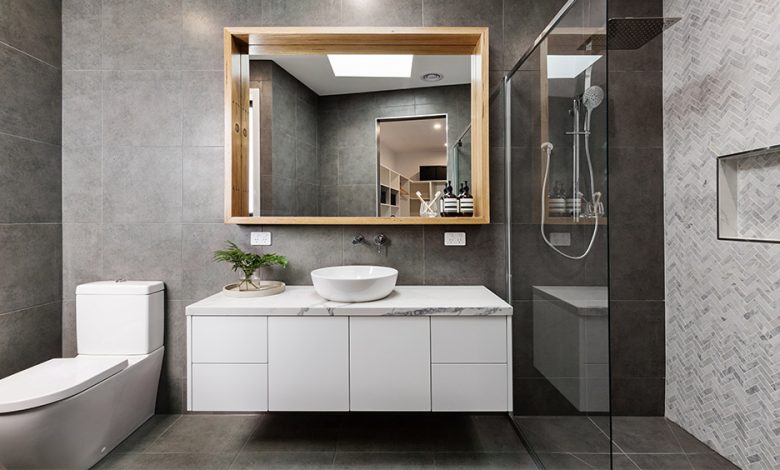
A bathroom renovation can completely change the way a home feels and functions, but achieving the right result starts long before the first tile is laid. From rethinking the layout and selecting suitable fixtures to deciding on storage, lighting and finishes, each choice can influence how practical and cohesive the finished room feels. Taking time to consider these details early can make the renovation easier to manage and help avoid decisions that may become costly or difficult to change later. If you are considering a Bathroom Installation, having a clear plan in place can make the process feel far more straightforward.
It is also important to think about how the bathroom needs to work in everyday life rather than focusing solely on its appearance. A well-designed space should make routines easier, provide enough storage, suit the available room and complement the style of the rest of the home. With so many choices available, knowing where to focus your attention can help you create a bathroom that feels considered, comfortable and built around your needs.
Start With a Clear Plan
Before choosing tiles or browsing for new fittings, establish exactly what you want from the renovation. Think about how the bathroom is currently used, what is not working and which features you would like to improve. This could mean creating more storage, replacing an outdated bath, introducing a larger shower or simply making better use of the available floor space.
It is also useful to establish priorities at this stage. Separating essential changes from optional upgrades can help keep the project focused and make decisions easier later. Having a clear idea of the desired outcome gives every subsequent choice a useful point of reference.
Make the Most of the Available Layout
The layout has a major influence on how comfortable a bathroom feels. Even a relatively compact room can work well when every fixture has been positioned with movement and practicality in mind. Consider the space required to open doors, move between fittings and access storage without creating unnecessary obstacles.
Changing the position of major fixtures may create a completely different look, but it can also affect plumbing and installation requirements. For this reason, it is worth considering whether the existing arrangement can be improved before deciding on a complete redesign. Sometimes a few carefully considered changes can make a surprisingly noticeable difference.
Set a Realistic Budget
A detailed budget can make a renovation considerably easier to manage. Rather than considering only the visible products, remember to account for preparation, labour, plumbing, electrical work, installation and finishing touches where applicable.
It is sensible to leave some room within the budget for unexpected issues. Older bathrooms can reveal problems once existing fittings are removed, while changes made during the project can also affect costs. Having a little flexibility means an unforeseen expense does not necessarily derail the entire renovation.
Choose Fixtures Around Your Lifestyle
A bathroom should be designed around the people who use it every day. A busy family bathroom may need generous storage and hard-wearing surfaces, while a smaller en-suite might benefit from space-saving fixtures and a streamlined layout.
Think about the features that will genuinely improve your routine. Consider whether you prefer a bath or shower, how much storage you need and whether particular fittings will make the room easier to maintain. Choosing products based on everyday use rather than appearance alone can result in a bathroom that remains practical long after the renovation is finished.
Select Materials That Work Together
Tiles, flooring, sanitaryware, furniture and fittings all contribute to the overall appearance of a bathroom. Instead of choosing each element separately, consider how the materials will look alongside one another. A consistent combination of colours, textures and finishes can create a more cohesive result.
Practicality should also influence these decisions. Bathrooms experience regular moisture, cleaning and daily use, so materials need to be suitable for their intended environment. The most successful choices tend to combine the appearance you want with the level of maintenance you are comfortable managing.
Think Carefully About Storage
Storage is one of the easiest details to overlook during the early stages of planning. However, insufficient storage can quickly leave a bathroom looking cluttered, regardless of how attractive the rest of the design may be.
Consider where towels, toiletries, cleaning products and everyday essentials will be kept. Vanity units, mirrored cabinets, shelving and other integrated solutions can provide useful storage while maintaining a clean appearance. In smaller bathrooms, making use of vertical space can also help keep the floor area open.
Plan Lighting Before Installation Begins
Lighting deserves consideration early rather than being treated as a final decorative addition. The bathroom may need general illumination as well as more focused lighting around areas such as the basin and mirror.
Think about how natural and artificial light will interact with the colours and finishes you have selected. Good planning can help prevent dark corners and ensure the room is comfortable to use at different times of day. Electrical requirements should also be considered at the appropriate stage so that lighting does not become an awkward last-minute addition.
Allow Time for the Finishing Details
The final stage of a bathroom renovation often involves the smaller elements that bring everything together. Taps, handles, mirrors, towel rails and accessories may not seem as significant as a bath or shower, but they can have a strong effect on the finished appearance.
Ordering products and confirming measurements before work begins can also help avoid unnecessary delays. It is worth checking that chosen fittings are compatible with the planned layout and that everything required for the installation has been considered.
Keep the End Goal in Sight
A successful bathroom renovation is rarely about making every possible change. It is about making the right decisions for the space, the household and the budget. Careful planning can make it easier to coordinate different aspects of the project while reducing the likelihood of rushed choices.
By considering the layout, budget, fixtures, materials, storage and lighting before work begins, you can approach the renovation with a much clearer idea of what you want to achieve. The result should be a bathroom that not only looks good when it is finished, but also works comfortably and practically every day.

