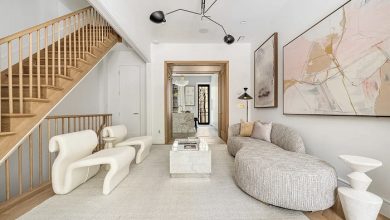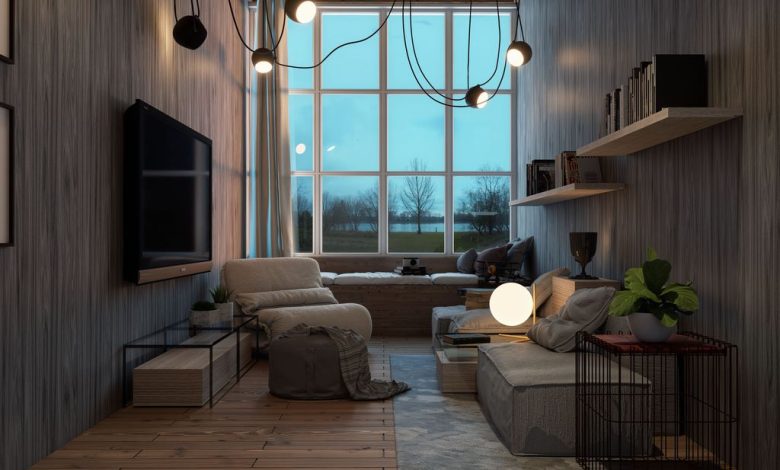
Dark leather furniture is an investment in durability and comfort, but it brings immense visual mass into a home. A deep espresso sectional, an overstuffed black recliner, or a pair of rolled-arm club chairs can quickly overwhelm a floor plan, making the surrounding space feel closed-in, dated, or unintentionally masculine. Homeowners often feel stuck between living inside a dim, heavy room and parting with furniture that remains structurally pristine and exceptionally comfortable.
You do not need to replace expensive leather seating or resign yourself to living in a shadowy den. The secret to balancing heavy leather lies in curating the architectural and decorative elements around it. By adjusting visual contrast, breaking up dense horizontal surfaces, managing light reflection, and introducing varied textures, you can completely neutralize the visual heaviness of dark leather and create an open, airy living space.
Breaking Up Surface Density with Tactile Textiles
Leather presents a taut, continuous, and often reflective plane that absorbs attention and visually anchors a room to the floor. To counterbalance that density, you must introduce soft, matte textiles that interrupt the wide expanse of dark hide.
Skip small, satin-finish decorative pillows, which slide off smooth leather and appear lost against wide cushions. Instead, invest in oversized throw pillows measuring at least twenty to twenty-two inches across, filled with down or feather-alternative inserts that maintain a relaxed chop. Opt for high-texture covers made from nubby bouclé, slubby linen, washed waffle cotton, or chunky wool ribs. Sticking with warm ivory, oatmeal, washed terracotta, or muted sage provides a striking counterpoint to chocolate brown or charcoal upholstery without clashing.
Layer these pillows with a generously sized throw blanket. Rather than folding it into a tight, rigid square, loosely drape it across a corner cushion or cascade it down the center of the sofa. A fringed alpaca or open-weave waffle throw physically covers a substantial portion of dark leather, replacing a slab of dark, smooth hide with soft, light-catching dimension.
Breaking the Dark-on-Dark Floor Trap
One of the most frequent decorating missteps is placing dark leather seating directly onto dark walnut or espresso hardwood floors. Without a distinct transition between the furniture and the flooring, the sofa seems to melt downward, creating a heavy black hole that visually shrinks the room.
Selecting the Right Area Rug
To lift the furniture off the floor plane, anchor the seating arrangement with a light-toned area rug. A low-pile wool rug in cream, pale wheat, or soft greige acts as an island of light that instantly reflects natural illumination upward into the seating zone. If pure neutrals feel too stark, consider a faded vintage or distressed Oushak-style rug featuring an ivory or champagne field with subtle, desaturated patterns.
Getting the Scale Right
Scale is critical here. A rug that is too small floats in the center of the room like a postage stamp, calling even more attention to the massive silhouette of the couch. Ensure the rug is large enough so that at least the front legs of every seating piece sit firmly on top of it. In larger rooms, placing all four legs of your leather sofa on the rug creates an expansive perimeter of brightness that redefines the visual boundaries of the space.
Swapping Out Heavy Case Goods for Open, Reflective Profiles
When people purchase leather living room sets, they often make the mistake of pairing them with matching dark oak, cherry, or espresso coffee tables and end tables. That accumulation of dense, dark wood creates a showroom effect that exacerbates visual clatter.
To relieve that heaviness, replace boxy wooden tables with pieces that offer negative space and transparency:
-
Glass or lucite coffee tables: Clear surfaces allow natural light to pass directly through to the rug below, eliminating the visual barrier of a solid tabletop.
-
Slender metal framing: Choose tables with leggy, open silhouettes in brushed brass, antique bronze, or warm champagne tones to soften dark brown hides.
-
Pale stone tops: Tables featuring white Carrara marble, honed travertine, or pale quartz introduce natural brightness while standing up to the material authority of real leather.
-
Light natural woods: If you prefer wood, seek out pale white oak, ash, or bleached birch with a natural matte sealer to create visual separation.
Replacing an enclosed storage coffee table with a round, glass-topped table on slim brass legs instantly breaks up the rigid, boxy lines of large leather sectionals.
Calibrating Wall Colors and Window Treatments
Surrounding dark furniture with stark, brilliant white walls seems like an intuitive way to brighten a space, but it often backfires. Extreme contrast causes dark leather sofas to stand out like monolithic black silhouettes, making them appear even larger and heavier than they actually are.
Instead, select warm, nuanced off-whites and breathable neutrals that soften the transition between wall and furniture. Shades containing warm undertones of linen, alabaster, pale greige, or soft chalk reflect daylight effortlessly without casting the sterile, clinical glare of pure commercial white. These tones gently envelop the room, allowing the dark tones of the leather to feel deliberate and grounded rather than jarring.
Pair these paint tones with floor-to-ceiling window treatments. Hang curtain rods at least four to six inches above your window casing—or directly below the ceiling molding—and extend the brackets six to twelve inches past the outer edge of the window frame. Dress the windows in breathable, textured linen drapery in off-white or soft oatmeal. When pulled open, the fabric stacks cleanly outside the window glass, maximizing every square inch of natural daylight while drawing the human eye upward away from low-slung leather cushions.
Designing a Multi-Tiered Lighting Plan
A single overhead ceiling fixture or flush-mount light produces harsh, downward shadows that puddle beneath heavy furniture, exaggerating its bulk while creating blinding glare across glossy leather surfaces.
To create an open ambiance, distribute light across three distinct visual heights:
-
Overhead ambient fixtures: Use dimmable fixtures with diffusing shades that wash soft, indirect light across the entire ceiling plane.
-
Eye-level floor lamps: Place an arching floor lamp with a wide fabric drum shade behind or beside the leather sofa to cast a gentle downward glow over the cushions.
-
Low-level accent lighting: Use small table lamps with parchment shades, uplights hidden behind large floor plants, or directional sconces to illuminate dark room corners that would otherwise collect shadows.
Equip all your fixtures with warm-white LED bulbs rated between 2700K and 3000K. Cold, bluish light washes out brown and cognac leather, making the hides appear muddy and sterile, while warm-temperature bulbs bring out the rich undertones of the leather and cast a flattering, welcoming glow across the surrounding light-toned walls.
Introducing Organic Shapes and Greenery
Leather furniture tends to be linear, rectangular, and tailored. Introducing living foliage softens these strict architectural lines with loose, organic shapes and lively saturated color.
Place a substantial indoor plant, such as an olive tree, Fiddle Leaf Fig, or Bird of Paradise, directly adjacent to the arm of a dark leather couch. The sweeping green leaves act as a living screen, breaking up the monolithic edge of the furniture and directing the gaze upward. On side tables or floating shelves, incorporate smaller potted trailing plants, such as pothos or string of hearts, to bring motion, softness, and vibrant natural contrast into the surrounding field of view.
When you thoughtfully stage light textiles, introduce open-frame accent tables, and brighten the surrounding floor and wall planes, dark leather stops feeling oppressive. Instead, it becomes a grounding focal point that brings warmth, character, and timeless stability to a bright, balanced living room.